Every day, my body fights an invisible battle.
Seven years ago, I was diagnosed with Complex Regional Pain Syndrome (CRPS), and since then, chronic pain has been a constant part of my life. It’s strange how pain has reshaped everything — not just physically, but mentally and emotionally too. Through it all, I’ve found unexpected strength, resilience, and a deeper understanding of myself.
At first, my diagnosis felt like a line dividing my life: before pain and after pain. The transition was overwhelming, as though I’d been dropped into a world where my body no longer belonged to me. I remember one morning not long after the diagnosis when I woke up to fire burning through my leg. My muscles ached, and the weight of the day pressed down on me before I even moved. The pain was sharp and relentless. I stared at the ceiling, thinking, How will I get through this? I wanted to cry out for help, but pain had created barriers that felt impossible to break through, and no one else could feel what I was feeling.
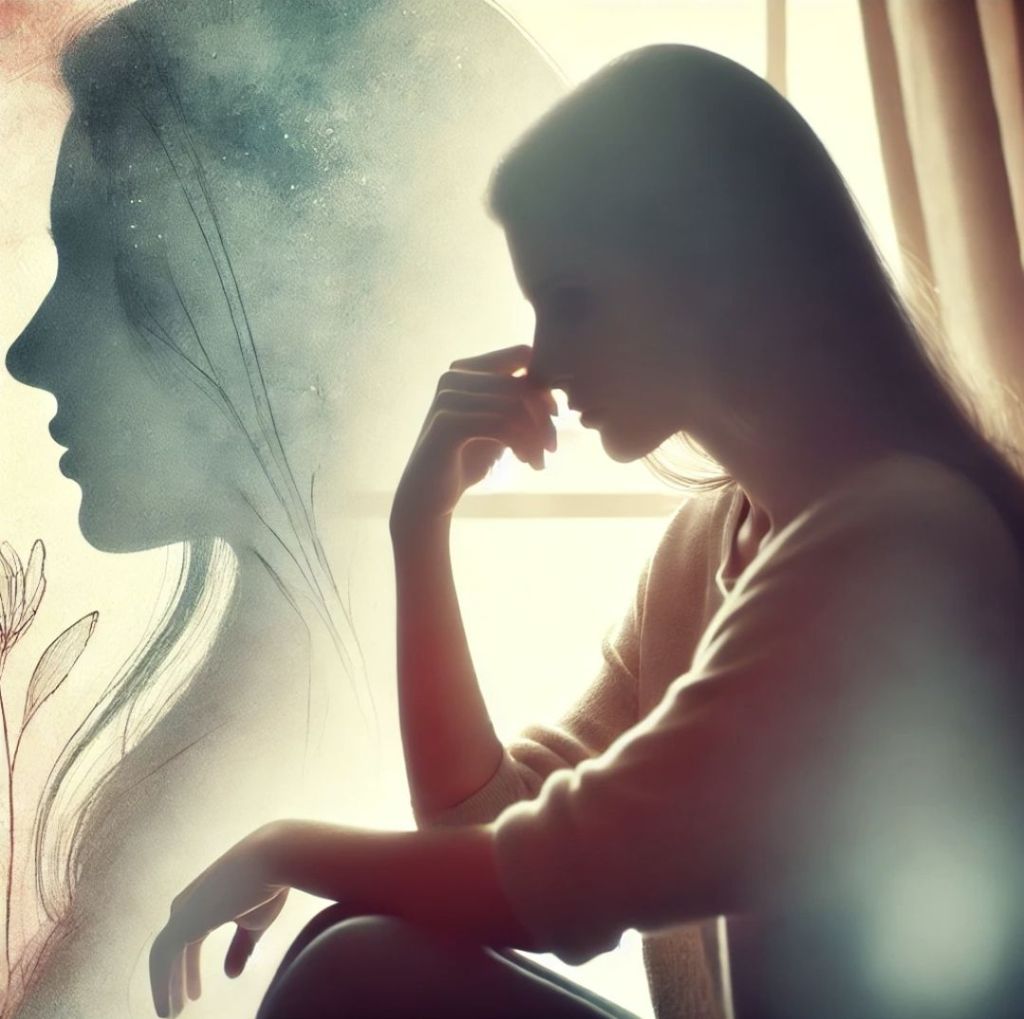
That’s the hardest part: the sense of being cut off. I’ve walked into rooms full of people, wearing my best “I’m fine” face, while inside, my body felt like it was on fire. One evening, I had dinner with friends. The conversation buzzed, laughter filled the air, but I could barely concentrate. The pain in my arms and hands was unbearable, yet I didn’t say anything. I smiled, nodded, and kept quiet. Inside, though, I felt like I was watching everything unfold from behind glass, separated from the moment by something invisible and insurmountable.
Over time, something shifted. After a particularly exhausting week, I reached out to a close friend. I told her what I’d been going through and how hard it had been to keep up. I braced myself for awkwardness or pity, but she just listened. No judgment, no rush to offer solutions — just her presence. In that moment, sitting together in silence, I wasn’t completely alone. The isolation didn’t disappear, but it softened a little, reminding me that connection, even without words, can be a lifeline.
Living with chronic pain isn’t just about surviving the worst days. It’s about finding joy in the smallest moments.
I’ve come to cherish those little victories in ways I never thought possible. One morning, after a sleepless night of “painsomnia,” I made myself a cup of tea. The ritual of it — the steam rising, the quiet of the house — gave me a sense of calm. I stood at the window, holding the warm mug, and watched the early sunlight spill across the yard. For a moment, the pain faded into the background, as if my body had let out a sigh. That was a victory. I took a deep breath, smiled, and thought, This is enough.
These moments of solace are what carry me through. Self-care, I’ve learned, isn’t just about rest, although rest is vital. It’s also about finding things that replenish me in other ways. Gentle movement helps, even when it feels counterintuitive. Stretching or walking keeps me connected to my body, reminding me that while I can’t control the pain, I can still nourish myself. I’ve also learned to pace my activities. I used to push through everything, ignoring my body’s pleas to stop. Now, I listen. I break tasks into manageable pieces, take breaks before I need them, and respect my limits without guilt.
Managing my energy has become key.
There are days when it feels like every step is harder than the last. On those days, I ask myself: What really needs to get done today? I used to see adjusting my routine as a failure, but now I see it as wisdom. One afternoon, after another sleepless night, I finished a work project I’d been dreading. It wasn’t my best work, but it was done. I’d adjusted, I’d adapted, and that was success.
Through all of this, my relationships have deepened in unexpected ways. The isolation chronic pain brings has taught me to value the connections I have. I’ve become more empathetic and more patient — with myself and with others. When a friend confided in me about her struggles with anxiety, I didn’t rush to offer solutions. I simply listened. We sat together in the silence, and in that shared space, I realised that sometimes the best thing we can offer each other is presence. Just being there is enough.
Living with this disability has completely redefined my understanding of success.
Some days, success means allowing myself to rest without guilt. Other days, it’s about celebrating small victories, like finishing a task during a flare-up or finding a moment of peace in meditation. I remember the first time I truly embraced taking a break. I had planned to push through a painful day, but instead, I allowed myself to stop. To rest. That day marked a turning point — accepting that slowing down wasn’t failure, but strength.
The accident that caused this pain has shaped my story, but it hasn’t defined my success. If anything, it’s been a powerful teacher. I’ve learned that strength isn’t about pushing through alone. Sometimes, it’s about knowing when to ask for help, when to adapt, and when to rest.
Strength, I’ve come to realise, is often quiet, patient, and deeply personal. It’s in the moments when I adjust my expectations, when I listen to my body, when I advocate for myself, and when I choose to rest. Pain hasn’t broken me; it has reshaped me, revealing strengths I never knew I had. In every moment of adjustment, of reaching out, or of celebrating a small victory, I see the strength of the human spirit. That realisation has been enough to carry me forward.

 Moments That Matter
Leave a comment